
Dental Implants vs. Bridges in Falls Church: Cost, Lifespan, and Bone Preservation Breakdown

Dental Implants vs. Bridges in Falls Church: Cost, Lifespan, and Bone Preservation Breakdown

Dental Implants vs. Bridges in Falls Church: Cost, Lifespan, and Bone Preservation Breakdown

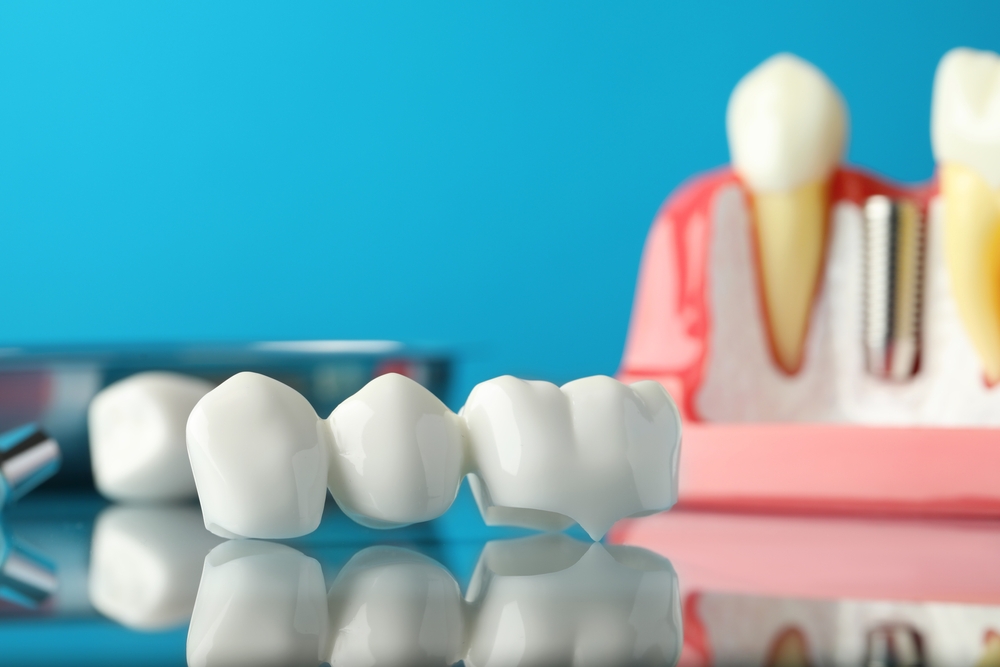
Replacing a missing tooth is about more than filling a gap in your smile. The right restoration can affect how you chew, how surrounding teeth hold up over time, and how well your jawbone is maintained. At Le Smile Aesthetic & Comprehensive Dentistry, we help patients in Falls Church compare dental implants and bridges based on their oral health, goals, and long-term needs.
How Dental Implants and Bridges Replace Missing Teeth
A dental implant replaces a missing tooth from the root up. A titanium implant is placed in the jawbone and allowed to integrate with the bone before a custom crown is attached. Because the implant stands independently, neighboring healthy teeth usually do not need to be reshaped to support it.
A traditional dental bridge fills the open space with an artificial tooth supported by crowns on the teeth next to the gap. Bridges can restore chewing function and appearance without implant surgery, but the supporting teeth typically need to be prepared for crowns.
Which Option Costs More?
Dental implants generally have a higher upfront cost than traditional bridges. Implant treatment may involve several components, including the implant post, abutment, crown, imaging, surgery, and sometimes bone grafting. The total investment varies depending on how many teeth are missing and the condition of the jawbone.
A bridge may have a lower initial cost, especially when the adjacent teeth already need crowns. However, long-term cost also matters because restorations may eventually need repair or replacement.
When comparing cost, consider:
- Whether adjacent teeth need treatment
- Whether bone grafting is necessary
- The number of missing teeth being replaced
- Insurance coverage and available benefits
- Expected maintenance and future replacement needs
How Long Do Implants and Bridges Last?
Dental implants are designed as a long-term tooth replacement. With healthy gums, good home care, and regular dental visits, the implant post can often last for decades and may last a lifetime. The crown attached to the implant can wear over time and may eventually need replacement.
Traditional dental bridges commonly last about 5 to 15 years, although some last longer with excellent care. Their lifespan depends heavily on the health of the supporting teeth, gum health, bite forces, and how well the area beneath the bridge is cleaned.
What About Bone Preservation?
Bone preservation is one of the biggest differences between a dental implant and a traditional bridge. After a tooth is lost, the jawbone in that area can gradually shrink because the natural tooth root is no longer stimulating it.
A dental implant functions similarly to a tooth root by transferring chewing forces into the jawbone. This stimulation helps preserve bone around the implant site. A traditional bridge replaces the visible portion of the missing tooth but does not replace the root, so it does not provide the same direct stimulation to the underlying bone.
Choosing the Right Tooth Replacement in Falls Church
The right option depends on your bone levels, gum health, the condition of nearby teeth, medical history, timeline, and budget. An implant may be especially appealing when neighboring teeth are healthy and long-term bone preservation is a priority. A bridge may be appropriate when implant surgery is not preferred or when the surrounding teeth already require crowns.
Schedule a tooth replacement consultation with Le Smile Aesthetic & Comprehensive Dentistry in Falls Church, VA by calling (703) 534-6226 to compare dental implants and bridges for your smile.

All Dental
Care Services

Keep
In Touch
Powered by
